I was recently asked to participate in a LinkedIn study related to effective team communications. The question was: “Your diverse team is facing communication conflicts. How can you align everyone’s expectations effectively?” This covers a wide array of issues. For simplicity’s sake, let’s assume that everyone on your staff speaks the same language, either as their first or second language. Further, everyone can understand and communicate effectively using that primary language.
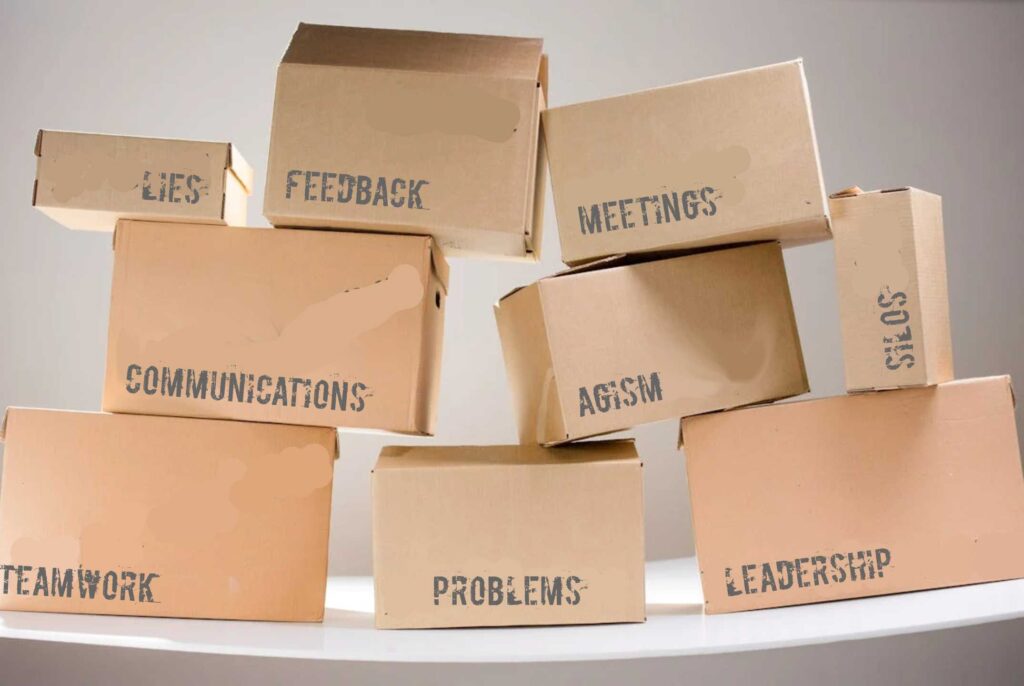
What are communication conflicts?
Communications conflicts can stem from simple things to complex issues. Let’s explore some of the categories:
Team Cultural Differences:
- Communications Styles: These can include differences in direct vs. indirect communications, formality, and nonverbal cues.
- Values/Assumptions: Misunderstandings and conflicts from differing values, expectations, and assumptions.
- Prejudices/Stereotypes: Can be cultural-based, education-based, and more.

Generational Differences:
- Communications Differences: This can be a preference for different social media channels, in-person vs. online comms, or formal vs. informal speech.
- Values/Priorities: What’s important to one generation can be quite different from another.
- Misunderstandings: Are your employees entitled or lazy? That might depend on the generation that’s speaking.
Other factors
- Disability: The ADA allows for accommodations for several reasons related to disabilities. Depending on the disability, communication issues may arise.
- Feedback: insufficient, unclear, or a lack of feedback is ripe for miscommunications.
- Poorly written communications: Things not written well can lead to misunderstanding.
With all these factors, it’s no wonder we sometimes have communication issues within our staff. Can you identify areas where you see things from the list above?
How Can We Keep Our Team Communications Healthy?

- Common Goals and Values: What’s the purpose of the tasks being asked?
- Regular check-ins: Essential for team cohesion. Make them regular.
- Open Dialog: People need to be able to speak freely, offer alternatives. There’s no wrong way to think about it.
- Share Strategy: The more people know, the more they can embrace what’s happening.
My Response
My response is perhaps a little different than some of the others you’ll read. That’s ok. There’s plenty of overlap either way. I’ll share my answer first and include several other responses.
“It starts with leadership. I’ve seen situations where various departments start to compartmentalize. Also known as silos. They do their own thing without input from other groups.
Having structured meetings on a regular basis, agreeing on expectations (sometimes dictating), and following up with regular training in communications can go a long way.
Feedback helps. If someone’s not following proper methods, get more training. If it persists, take other action.”
Other’s Responses
I’m paraphrasing responses to protect identity.
“Aligning team expectations takes structure and empathy. Find ways to make people comfortable talking about issues. Define clear roles so people stay on the same page in projects. Set goals and expectations about how to communicate. Collaboration tools and regular check-ins keep things running smoothly. Training for conflict resolution and cultural awareness. Get feedback and lead from the front by example.”
“I’ve worked with many diverse groups coming from various backgrounds.
As a member of those teams, there have been good and bad leaders.
Some positive traits are:
- Keep calm and collected, especially when things are not going to plan.
- Keeping personnel informed of their tasks and responsibilities.
- People learn and grow through their mistakes
- Give proper briefings before tasks so everyone knows what’s happening.
- Understand who your people are on a personal level. Knowing their story can help you understand a situation better.”
Your Turn
What effective team communications tools do you use? I know I can always use more knowledge to help do it better in the future.
If you’d like a training session for your staff, that’s conducted by someone outside your church, contact Patrick to make arrangements. You can also visit our website to find out more.