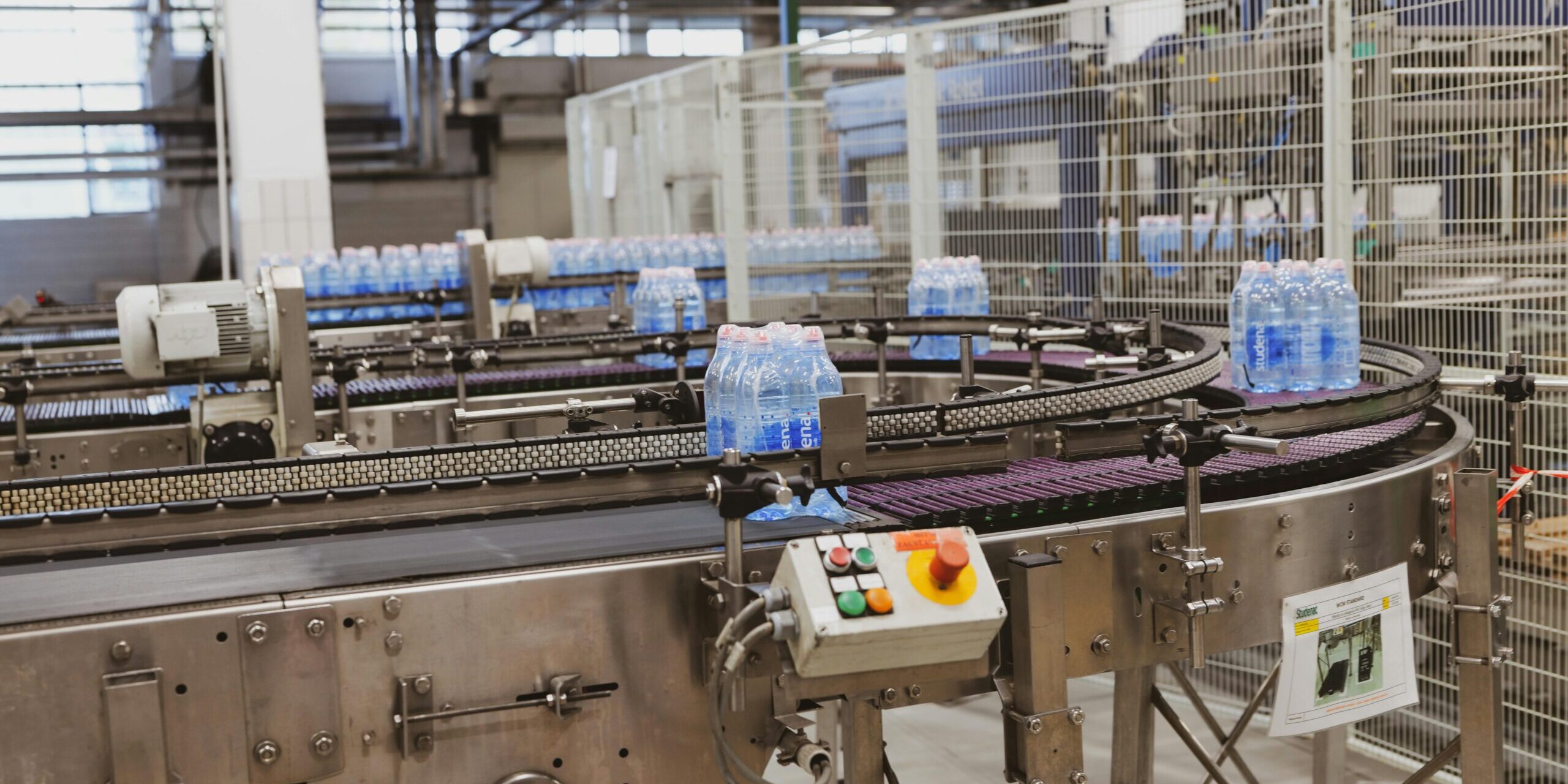
Every manufacturing plant has them. Maintenance Personnel. They’re the “fix it folks.” The ones who get things running after a breakdown. But not all maintenance personnel are equal. They come in a variety of flavors. The question is: Which do you have?
They’re not all the same, and they don’t get paid the same either. However, moving from one level of maintenance to another can save your company a substantial amount of money in downtime and waste.
Let’s take a look at the different levels of maintenance. Where is your organization, and what can you do to take your maintenance personnel from one level to the next?
Parts Changers
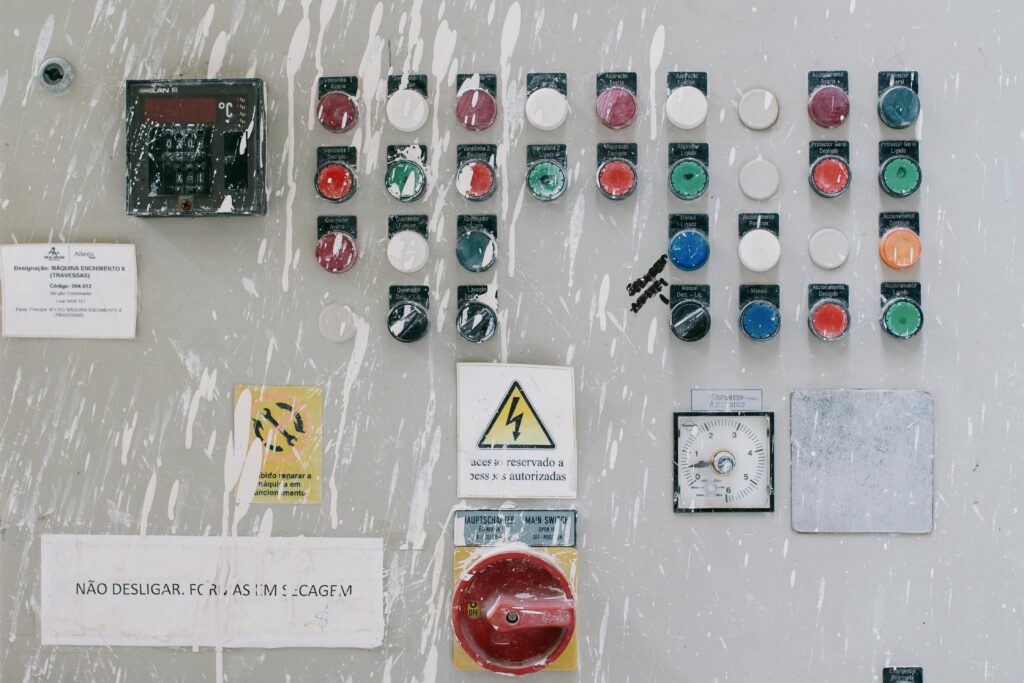
Workers performing “Parts Changers” are responsible for replacing worn, damaged, or malfunctioning components in machinery or equipment. Their activities focus on physical swaps such as removing old parts and installing new ones. This might be replacing a photoeye, solenoid valve, or motor. They follow formal instructions or diagrams, but typically without modifying underlying system logic or software. These tasks maintain the original function of the equipment. They’re not involved in upgrades to equipment or modifications to programming.
These tasks can typically be done reasonably well with someone having a high-school diploma, possibly some trade school experience. Some manufacturers might have an apprenticeship program in place to show them what needs to be done. It’s definitely a skillset. Not everyone is suited for this role. If a person isn’t mechanically inclined or can’t read schematics and diagrams, they may not be a good fit.
Limited Program Changers
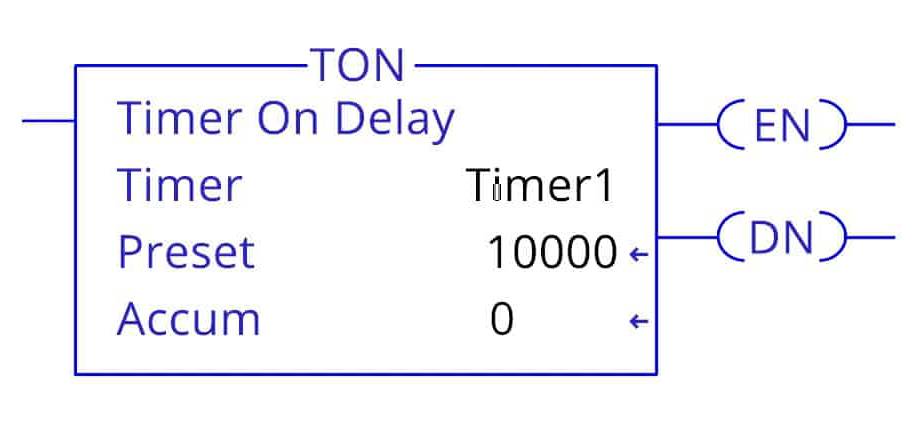
Limited Program Changers includes the authorization to make minor adjustments to programmable controls, parameters, or settings within strict pre-defined limits. Unlike parts changers, these workers may adjust PLC (Programmable Logic Controller) settings, reset alarms, or change operational variables as required for operational continuity. They are not authorized to make major or structural software edits. Their focus is on safe, routine updates that keep equipment running as intended without introducing significant changes to system behavior.
We’re talking about folks who can go into programs, change setup data points for specific product specifications, set values for timers, counters, and select data tables to point to for configuration purposes. In addition, they’ll perform the tasks of the parts changers. An Associate degree in electronics, electro-mechanical technology, or mechatronics would be a good fit for these positions. Additionally, some training would be needed to understand how to make the changes to the PLC. Documentation procedures for making changes in the software should be developed.
Software Technicians
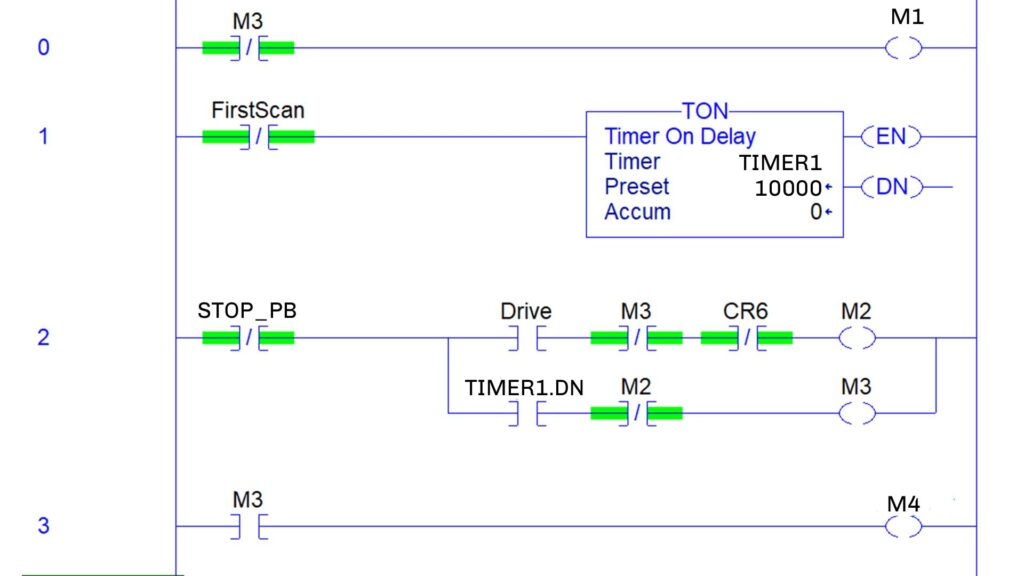
Software Technicians are IT-oriented workers who install, maintain, troubleshoot, and configure software on industrial computer systems and machinery in manufacturing. Their duties include patching, updates, bug resolution, integration with hardware, user support, diagnostics, documentation, and, in some cases, creating basic scripts or customizations to fit operational requirements. This could include creating routines of logic for PLCs. Unlike the other maintenance roles, their primary expertise is with software applications and supporting cyber-physical systems, rather than purely hardware or minor control adjustments.
These employees require specific training on the systems used in your process. An associate’s or bachelor’s degree will help with this understanding, but that’s not enough. They’ll need specialized training in PLCs, Computer systems, and networking. Grow these resources internally or hire externally, depending on your location and available personnel.
Empowered Changers
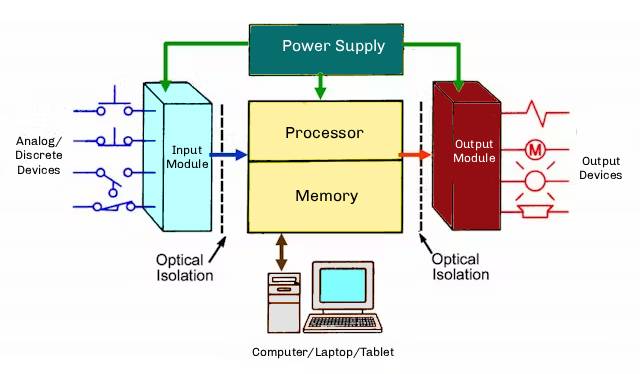
Empowered Changers describes personnel who are trained and trusted to perform a broader set of maintenance tasks, often including both mechanical and system-level changes, and process improvements. These workers can take the initiative in identifying process issues, make informed adjustments, optimize setups, and update procedures for continuous improvement. They have greater autonomy and cross-disciplinary knowledge, distinguishing them from roles limited to specific tasks like parts swap or fixed software edits.
These personnel do the job of engineering, possibly on a smaller scale. They’ll be responsible for implementing change to the processes, documentation, and training others.
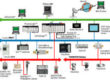
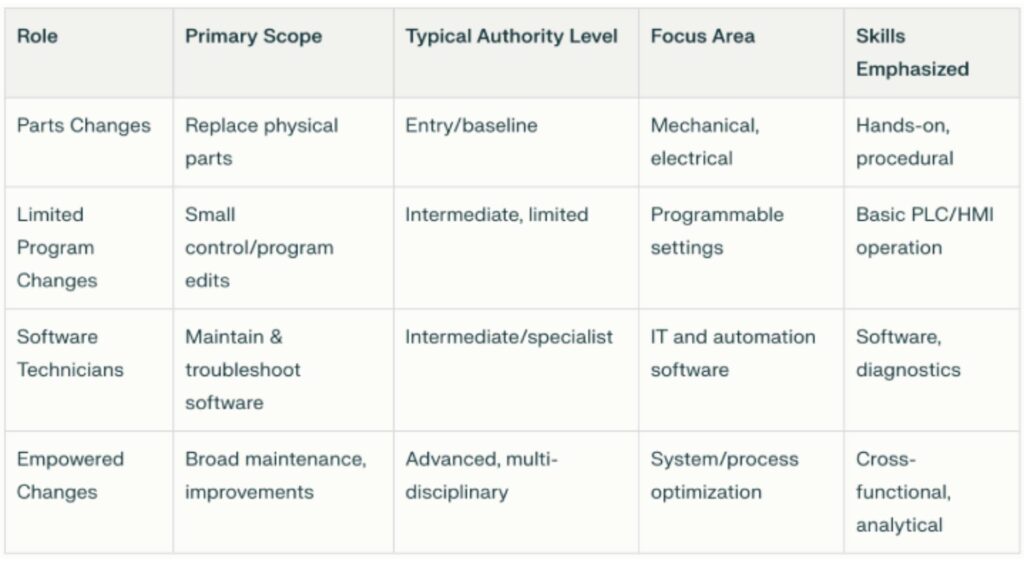
Here’s a handy chart showing the differences in roles and responsibilities:
What’s Next?
You have a job to do in determining who to hire to best fill these roles. Maybe you don’t want any parts changers. Instead, you’d rather have employees do more. You may want several layers of employees. This practice allows for promotions and attrition.
We can help by offering your employees the next level of training they need to fill critical roles, making changes to your equipment, and optimizing operations.
Training resources are on our website. Like the options available? Reach out and schedule a meeting to determine next steps.
Our training is heavily discounted due to the equipment used. When you purchase the training units or build your own, you own the units in perpetuity. We can offer additional training using that same equipment.
Now, the ball is in your court. Talk soon.